Work moves quickly in modern teams—but starting the work often doesn’t.
Meetings end, everyone nods, and then an invisible pause settles in. Tasks feel fuzzy. Ownership feels unclear. Energy dips. What should be momentum becomes hesitation.
For solo professionals and startup teams, this pause is costly.
Progress slips. Execution slows. The gap between intention and action widens.
This blog breaks down why this happens, what teams truly need, and how intelligent tools create structure, clarity, and momentum in the moments where work normally stalls
The Hardest Part of Work Isn’t the Work—It’s Starting
The biggest breakdown in task management today isn’t tracking tasks. It’s getting started on them.
After meetings, people often experience:
Vague recollection of what was decided
Unclear next steps
Overwhelmed by tasks that feel too big
A sense of unstructured work
Reluctance to begin because the first step isn’t obvious
And this leads to a familiar pattern:
“I’ll do it later today.”
“I need to gather my thoughts first.”
“Let me check the notes again.”
“I’m not sure what exactly I’m supposed to do.”
This isn’t laziness.
It’s a cognitive barrier.
Researchers call it activation energy—the mental load required to begin a task.When tasks are poorly defined, missing context, or scattered across tools, activation energy spikes.So even capable teams procrastinate.
How Velozity Transforms the Post-Meeting Gap
Velozity approaches task management from a different philosophy:
If starting work is hard, everything downstream becomes slower.
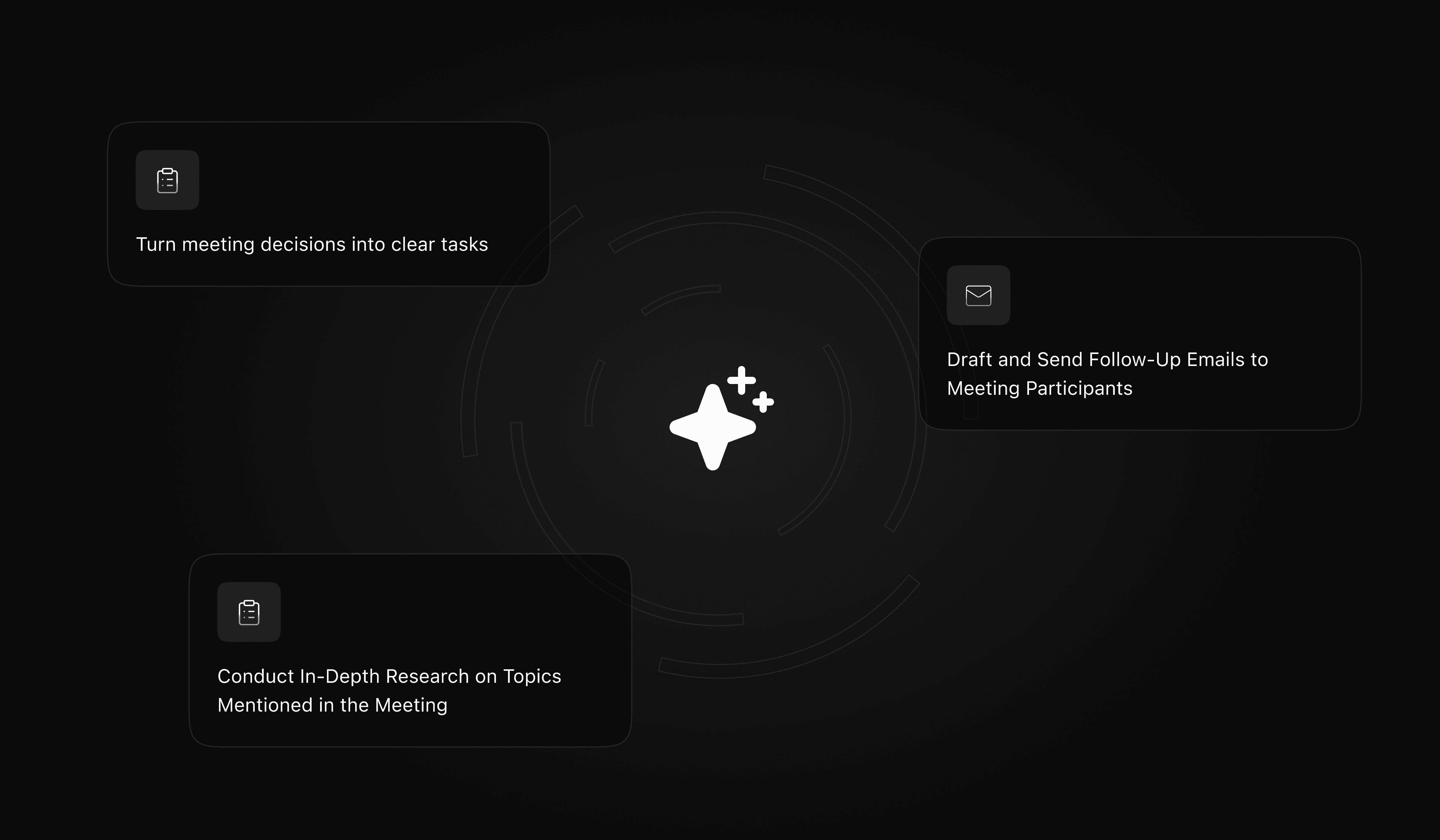
Instead of making people extract tasks manually from conversations, Velozity acts as the engine that converts what’s said into what’s done.
Here’s how Velozity subtly supports the execution:
1. Tasks Are Automatically Created During the Call
You never face a blank screen wondering where to begin. The starting point is already waiting.
2. Each Task Includes Context, Decisions, and References
No cognitive burden. Everything needed to begin is right there.
3. Velozity Organizes Tasks Into the Right Projects Instantly
No manual sorting. No triage fatigue.
4. Mundane Work Is Offloaded to AI — Email Drafts, Follow-Ups, Invitations, and More
This is the missing link in most task systems. Velozity doesn’t merely tell you what to do next; it helps you do it
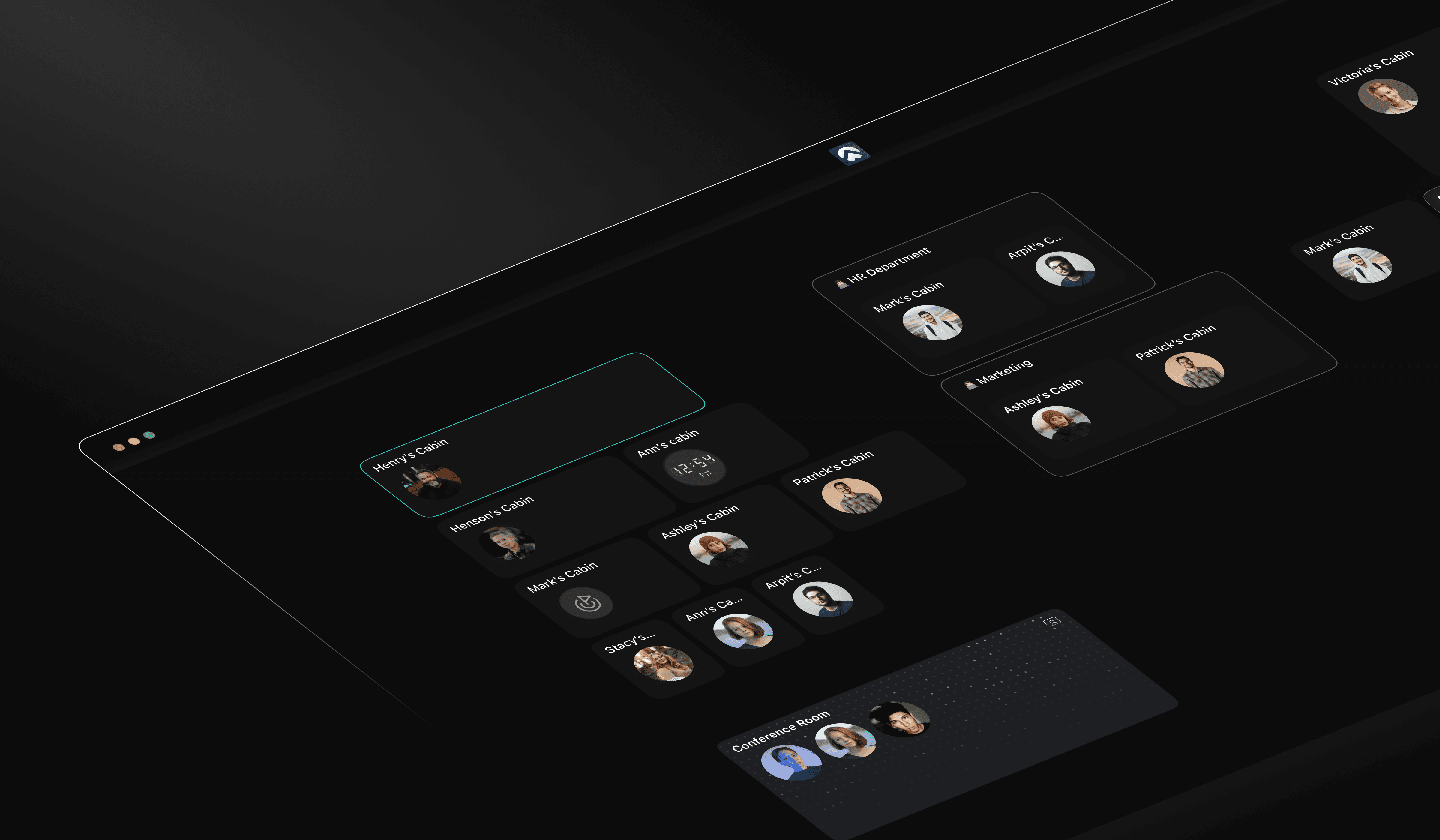
5. The Workspace Becomes a Continuation of the Meeting
There’s no psychological drop-off. You flow directly from discussion into action.
6. Clarity Reduces Procrastination
When the first step is obvious, getting started becomes natural—almost automatic.
This is the kind of intelligence layer solo professionals and startups rarely have, yet depend on for momentum.
The Result: Faster Starts, Faster Cycles, Stronger Teams
When task initiation becomes effortless, teams experience real operational change:
1. Work Begins Immediately After Meetings
No more “I’ll start this later.” Momentum builds while clarity is still fresh.
2. Fewer Delays and Bottlenecks
Clear, context-rich tasks prevent rework and repeated conversations.
3. Higher Accountability With Less Effort
Because tasks come from actual decisions, ownership is natural — not forced.
4. Reduced Cognitive Load
Team members stop juggling notes, tools, and reminders.
5. Overall Execution Speed Increases
The downstream effect is measurable: projects move faster because people start faster.
Conclusion
The future of task management is not about tracking more work.
It’s about removing the friction that prevents work from starting and continuing.
For solo professionals and startup teams, the biggest loss happens in the moments after meetings—when tasks are unclear, context fades, and small administrative steps interrupt momentum. That pause leads to procrastination, delays, and slower execution.
Velocity changes this dynamic.
It captures decisions as they happen, clarifies the first step, and quietly handles routine execution—follow-up emails, scheduling, documentation—so attention stays on meaningful work.
It connects conversation, intent, and action into a single flow, reducing overwhelm and helping work move forward without constant effort.
When starting is easy and continuation is frictionless, execution becomes natural.
Frequently Asked Questions
How does Velozity help after meetings end?
It automatically captures discussions, creates clear tasks with context, and prepares follow-up actions so work can begin immediately.
Can Velozity reduce procrastination on tasks?
Yes. By clarifying what needs to be done and removing manual setup, it lowers the effort required to start.
What kind of routine work does Velozity handle?
It drafts follow-up emails, sends reminders, creates documents or tickets, and schedules next steps based on meeting context.
Is Velozity useful for solo professionals as well as teams?
Yes. Individuals can use it to convert calls into structured work, while teams benefit from shared context and coordination.
How is this different from traditional task management tools?
Traditional tools track tasks after the fact. Velozity helps tasks form, start, and move forward by connecting them directly to conversations and execution.
