Remote-first work has redefined how organizations operate. But while distributed teams can recruit globally, move faster, and reduce operational overhead, many leaders quietly face a deeper challenge:
How do you build a strong, cohesive culture when people no longer share the same room?
Culture used to emerge through proximity — hallway conversations, shared rituals, energy loops, and the natural visibility of people working together. In remote-first environments, none of these happen by default.
This blog breaks down why culture frays in distributed teams, what organizations actually need to preserve cohesion, and how an intelligence-layered workspace creates the conditions for a healthy, aligned, high-trust culture.
Remote-First Creates Invisible Gaps
Remote environments work, but they introduce silent fractures:
Connection drops without regular informal interactions
Context gets lost when conversations live across scattered tools
Momentum slows because decisions and follow-ups lack continuity
Trust weakens when visibility disappears and communication becomes transactional
According to a 2024 McKinsey global work survey:
62% of remote workers feel less connected to their team over time
41% report more misunderstandings due to written-only communication
38% say a lack of visibility reduces their sense of belonging and alignment
Remote teams don’t struggle because they’re distributed —they struggle because their systems were not designed for distributed culture.
What Remote-First Teams Need to Build Strong Culture
Teams don’t need more activities, slogans, or virtual bonding exercises. They need conditions that make collaboration feel natural, connected, and reliable.
1. Shared Presence
Culture is reinforced when teammates can sense each other’s availability, focus, and engagement. Presence creates the psychological foundation for trust.
2. Clarity Behind Decisions
When context gets lost, teams misinterpret intent. Shared documentation and transparent decision trails reduce friction.
3. Rituals That Reinforce Behavior
Rituals don’t have to be social — they can be operational:
Weekly reviews
Team huddles
Clear follow-up mechanisms
Shared project spaces
4. Smooth Communication Across Time Zones
When async and sync work blend seamlessly, teams feel connected even without overlapping hours.
5. Consistent, Automatic Visibility Into Work
Culture weakens when work disappears into private threads, scattered tools, or untracked conversations.
Remote culture thrives when alignment is effortless.
How Velozity Enables Culture in Remote-First Organizations
Velozity isn’t built to just “add communication.”
It is built to ensure teams feel connected through shared presence, clarity, and coordinated action.
Here’s how it strengthens culture at the operational level:
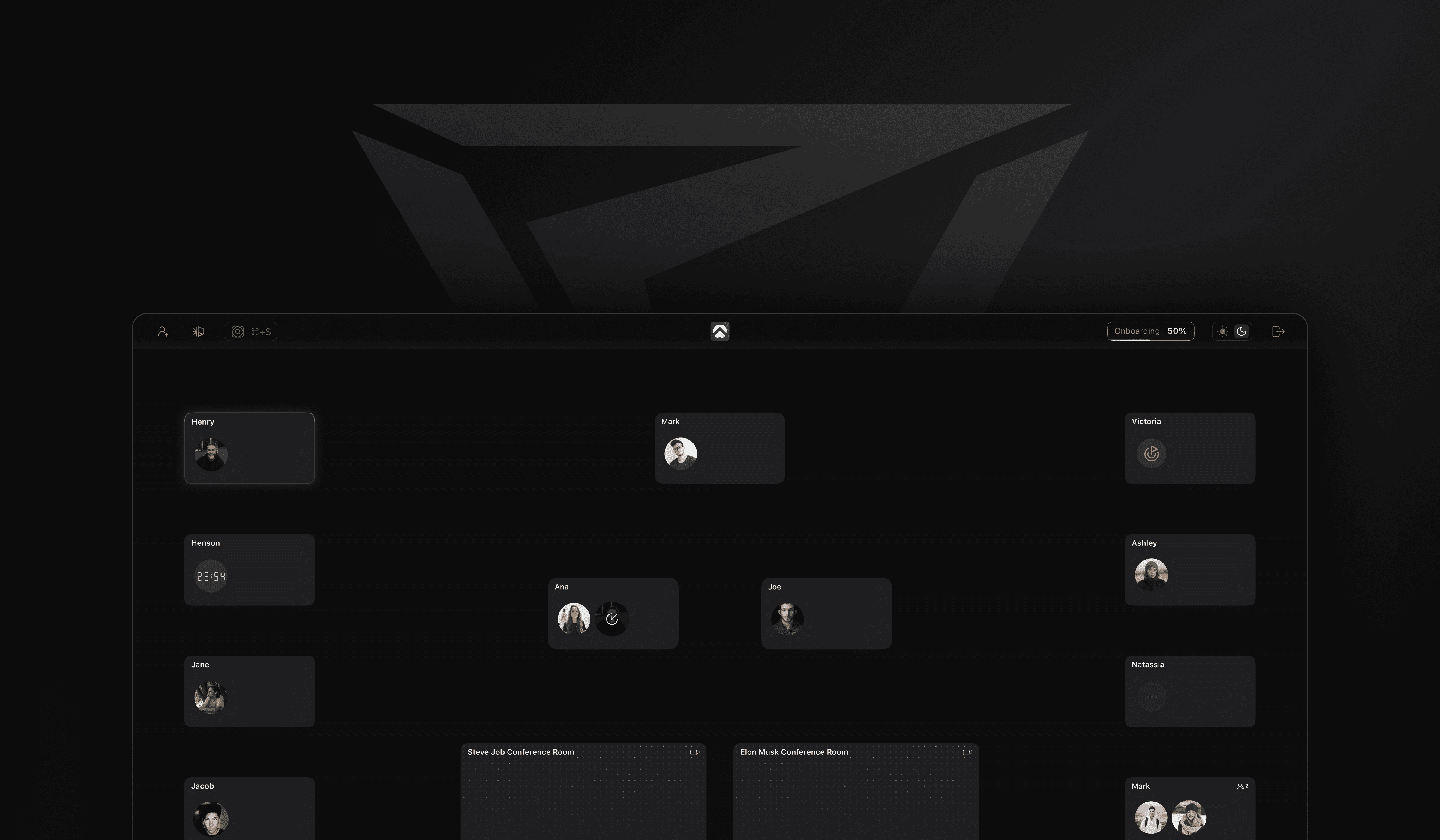
1. Live Presence Creates Ambient Team Awareness
Velozity shows who’s present, focused, or collaborating.It isn't surveillance — it’s shared awareness that rebuilds the “we’re in this together” energy remote teams lose.
2. Conversations Become Shared Context
Every discussion — internal or external — is transcribed and stored.Teammates understand not just what was decided but why.This transparency reduces misalignment and builds trust.
3. Automatic Actionables Reinforce Accountability
When decisions automatically convert into tasks, ownership becomes clear.
Accountability becomes cultural — not enforced.
4. Unified Communication Creates Cohesion
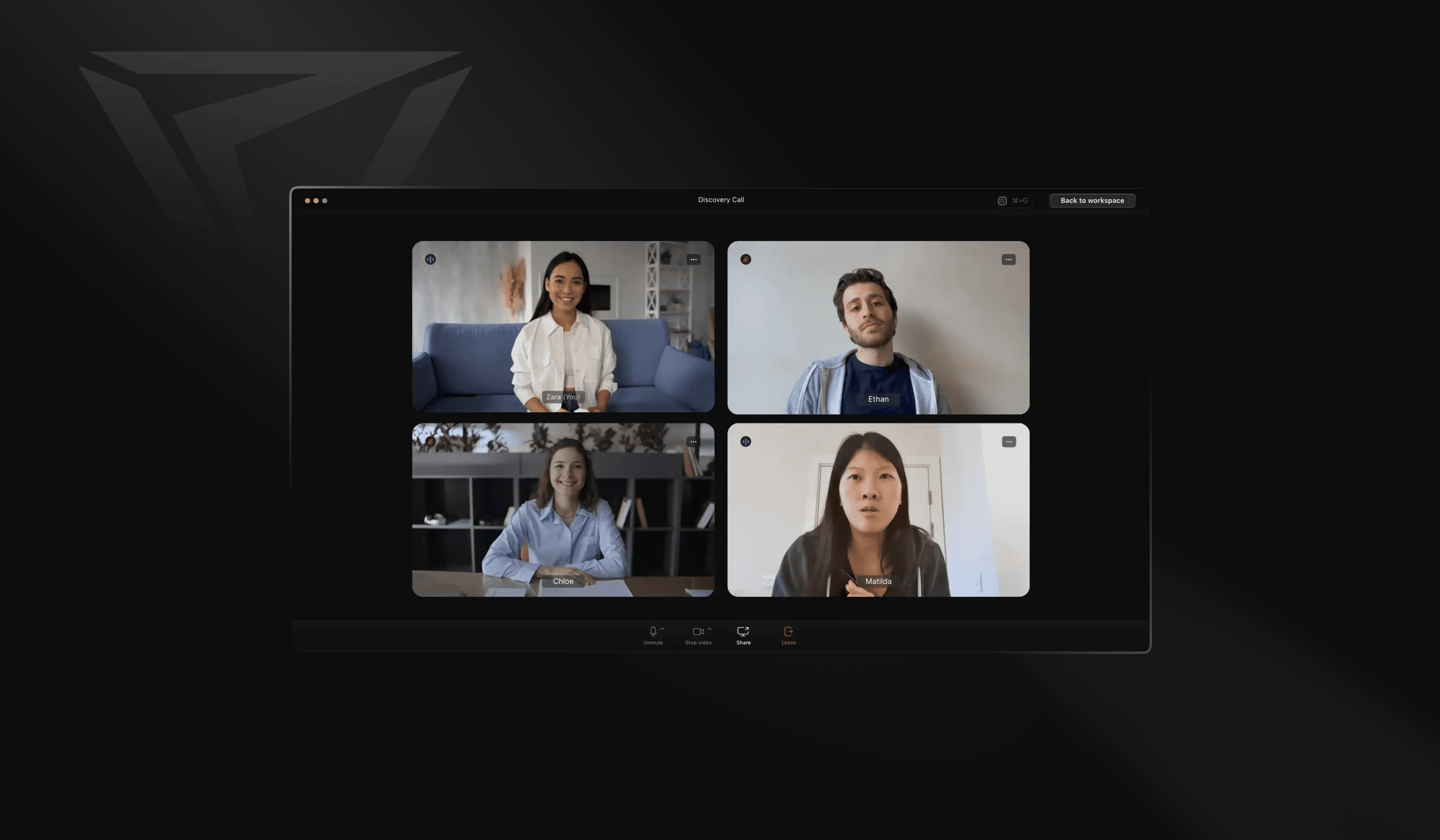
Chat, meetings, tasks, presence, and documents live in one place.Teams stop bouncing between disconnected tools, and collaboration becomes consistent.
5. Workspaces That Strengthen Team Identity
Custom cabins, shared rooms, and organized spaces reflect team priorities and workflow patterns.
Remote teams gain a sense of “place,” even without a physical office.
Through these mechanisms, culture becomes operational — not decorative.
Cultural Strength That Scales Across Distance
When remote-first companies unify collaboration, communication, and execution, culture becomes tangible again.
1. Stronger Trust
Teams understand how decisions are made and who is responsible for what.
2. Faster Momentum
With real-time transcripts, presence, and actionables, teams move with shared rhythm.
3. Reduced Miscommunication
A single workspace removes interpretation gaps and context loss.
4. More Consistency Across Time Zones
Because Velozity documents everything automatically, teams stay aligned even when they aren’t online together.
5. Higher Engagement & Ownership
Visibility, clarity, and predictable workflows foster psychological safety and motivation.
Conclusion
Building culture in a remote-first world isn’t about recreating the office digitally.
It’s about building the infrastructure where alignment, connection, and shared purpose emerge naturally.
When communication, presence, decisions, and execution flow through a unified system, culture becomes a living part of daily work — not an abstract idea.
Velozity creates this environment.
Not through perks or events, but through an operating model where teams think, act, and progress together.
Culture doesn’t disappear in remote work.It disappears when teams lose shared context.Restore the context, and culture becomes inevitable.
Frequently Asked Questions
How does Velozity help maintain culture across remote teams?
It keeps presence, communication, and decisions in one shared workspace, making teamwork feel connected and continuous.
Can Velozity improve alignment in distributed teams?
Yes. Automatic transcripts, actionables, and organized workspaces ensure everyone understands decisions and next steps.
How does Velozity reduce miscommunication?
By capturing conversations in real time and storing context where the entire team can access it.
Does Velozity work for teams across time zones?
Absolutely — asynchronous collaboration becomes easier when every discussion and task is automatically documented.
Can small remote teams benefit from Velozity?
Yes. Solo users and small teams can start with transcription and AI assistance, scaling naturally into shared workspaces as they grow.
